
Few astrology terms attract as much attention as Mercury retrograde. Whenever this planetary event approaches, conversations about delayed travel, confusing messages, technical problems, and unexpected reunions seem to appear everywhere.
But what does Mercury retrograde actually mean? Is it really a period when everything goes wrong, or is there more to the story?
In Western astrology, Mercury retrograde is traditionally associated with reviewing communication, reconsidering decisions, revisiting unfinished business, and paying closer attention to everyday details. Understanding its symbolism can help you approach the period with a little more awareness and a lot less unnecessary worry.
What Is Mercury Retrograde?
Mercury retrograde is an astrological period when the planet Mercury appears to move backward through the zodiac from Earth's perspective. This apparent backward movement is called retrograde motion.
Mercury does not actually reverse its orbit or travel backward through space. The effect occurs because Mercury and Earth move around the Sun at different speeds. As their relative positions change, Mercury appears to change direction against the background stars for a short period.
In Western astrology, this apparent motion is given symbolic meaning. Mercury is associated with communication, thinking, information, learning, transportation, and everyday transactions. When it turns retrograde, astrologers traditionally interpret these subjects through themes of review, revision, delays, and reconsideration.
Mercury retrograde generally happens three or four times each year, with each retrograde phase lasting approximately three weeks.
What Does Mercury Represent in Western Astrology?
To understand why Mercury retrograde receives so much attention, it helps to know what Mercury represents in a birth chart.
In traditional Western astrology, Mercury governs the way we communicate, process information, exchange ideas, and make sense of our surroundings.
Its symbolism is commonly connected with:
- Communication: Conversations, emails, messages, writing, and expressing ideas.
- Thinking and learning: Reasoning, curiosity, information processing, and education.
- Technology and information: Digital communication, data, devices, and the exchange of information.
- Travel and transportation: Short trips, commuting, schedules, and everyday movement.
- Business and transactions: Negotiations, agreements, paperwork, purchases, and practical decisions.
Because these subjects are part of everyday life, Mercury retrograde has become one of the most widely discussed planetary events in modern astrology.
What Happens During Mercury Retrograde in Astrology?
Astrologers traditionally interpret Mercury retrograde as a period when Mercury-related themes deserve additional attention. Instead of rushing forward, the symbolism encourages people to pause, review, and reconsider.
Here are some of the areas most commonly associated with this transit.
1. Communication and Misunderstandings
Communication is one of the most frequently discussed themes during Mercury retrograde. Messages may be interpreted differently than intended, conversations may need clarification, and important details can be overlooked.
For example, a short work email might sound more abrupt than intended, or two people might leave a conversation with completely different understandings of what was agreed upon.
Astrologically, this period is often treated as a reminder to communicate clearly, ask questions, and avoid making assumptions.
2. Technology and Digital Problems
Mercury is traditionally associated with information and communication, which is why technology often becomes part of Mercury retrograde discussions.
Astrologers commonly associate this period with themes such as:
- Unexpected software or device issues.
- Misplaced files or incorrect information.
- Delayed messages or scheduling confusion.
- Problems involving digital communication.
These events are not scientifically established consequences of Mercury's position. Still, keeping backups, updating important files, and checking your work are sensible habits at any time.
3. Travel and Scheduling
Travel is another traditional Mercury theme. During retrograde periods, astrologers often recommend paying closer attention to reservations, itineraries, transportation arrangements, and appointment times.
A missed confirmation or an incorrect booking can create unnecessary stress, particularly when traveling for work or taking a vacation.
Rather than assuming that travel will go wrong, use the period as a reminder to confirm important details and allow reasonable flexibility in your plans.
4. Relationships and Old Conversations
Mercury retrograde is sometimes associated with reconnecting with people from the past, revisiting unresolved conversations, and reconsidering how information is exchanged in relationships.
An old friend might get in touch, or a conversation you thought was finished may come up again. These experiences are often interpreted symbolically as opportunities to gain clarity or address something left unsaid.
However, hearing from someone again does not automatically mean a relationship should be restarted. Your decisions should depend on the actual circumstances, boundaries, and needs involved.
5. Work, Plans, and Decision-Making
Mercury also represents planning, organization, negotiations, and the exchange of information in professional settings.
During retrograde periods, astrologers often emphasize reviewing unfinished projects, correcting mistakes, revisiting proposals, and checking important documents.
It can be a useful symbolic reminder to slow down and make sure you have all the information you need before committing to a decision.
What Is Mercury Retrograde Shadow Period?
You may have heard astrologers mention the Mercury retrograde shadow period, sometimes called the pre-shadow or post-shadow.
These terms describe parts of Mercury's apparent journey through the zodiac surrounding the actual retrograde period.
Pre-Retrograde Shadow
The pre-retrograde shadow begins when Mercury first reaches the zodiac degree where it will eventually turn direct again.
In astrological interpretation, this phase is sometimes viewed as the beginning of themes that may become more noticeable during the retrograde itself. Certain conversations, decisions, or situations may later need to be revisited.
Retrograde Period
This is the main phase when Mercury appears to move backward through the zodiac. It begins when Mercury reaches its retrograde station and ends when it reaches its direct station.
Astrologers commonly associate this phase with reviewing, reconsidering, editing, and revisiting unfinished matters.
Post-Retrograde Shadow
The post-retrograde shadow begins when Mercury resumes apparent direct motion and continues until it passes the degree where the retrograde cycle originally began.
Astrologers sometimes interpret this phase as a time for applying what has been reconsidered and moving forward with greater clarity.
The shadow periods are concepts used in astrology. They are not additional periods of physical backward motion.
When Is the Next Mercury Retrograde?
Mercury retrograde happens several times a year, so it is useful to check an updated planetary calendar rather than relying on dates from an older article.
As of November 29, 2026, the next Mercury retrograde period on the US calendar is expected to run from February 9 through March 3, 2027.
After that, Mercury will have additional retrograde cycles later in 2027. Exact station times and local calendar dates should be checked against a current ephemeris when planning around a particular location.
The dates identify the apparent retrograde period itself, not the longer astrological shadow phases.
What Should You Do During Mercury Retrograde?
You do not need to put your life on hold whenever Mercury turns retrograde. A more useful approach is to treat the traditional symbolism as a reminder to be thoughtful, organized, and clear in your everyday decisions.
Here are some practical habits worth following:
- Double-check important messages: Review emails, texts, and work documents before sending them.
- Back up important files: Keep copies of valuable documents and important digital information.
- Confirm travel arrangements: Check reservations, departure times, addresses, and transportation details.
- Review agreements carefully: Read the terms of contracts and important documents before making commitments.
- Revisit unfinished projects: Use the opportunity to edit, organize, and complete work that has been left behind.
- Clear up misunderstandings: Ask for clarification instead of reacting immediately to something that may have been misunderstood.
- Stay flexible: If plans change, focus on practical solutions rather than assuming something negative is happening.
There is no established reason to avoid necessary decisions, travel, purchases, or professional opportunities simply because Mercury is retrograde. Use ordinary judgment and seek appropriate professional advice for important legal, financial, or medical decisions.
What Should You Avoid During Mercury Retrograde?
Popular astrology advice often suggests avoiding major purchases, signing contracts, starting businesses, or making important relationship decisions during Mercury retrograde.
However, these are traditional recommendations, not proven rules. Sometimes an opportunity is worthwhile, and waiting several weeks is neither practical nor necessary.
A more balanced approach is to pay attention to the details:
- Do not rush through important paperwork.
- Avoid making assumptions when communication is unclear.
- Do not ignore details in travel or business arrangements.
- Think carefully before revisiting an old relationship.
- Do not let astrology create unnecessary fear around everyday decisions.
Mercury retrograde is not a reason to stop making progress. It can simply be a reminder to make progress thoughtfully.
Does Mercury Retrograde Affect Every Zodiac Sign?
In Western astrology, Mercury retrograde is considered a collective planetary transit, meaning its symbolic themes are discussed in relation to everyone. However, astrologers may interpret the experience differently depending on an individual's birth chart.
The zodiac sign Mercury occupies during the retrograde is one factor astrologers consider. They may also examine the house Mercury is transiting in an individual's natal chart and any significant aspects it makes with natal planets.
For example, if Mercury retrograde occurs in a house associated with communication and learning, an astrologer might interpret the period through themes involving conversations, education, or everyday responsibilities.
This is why two people may receive different astrological interpretations for the same Mercury retrograde period.
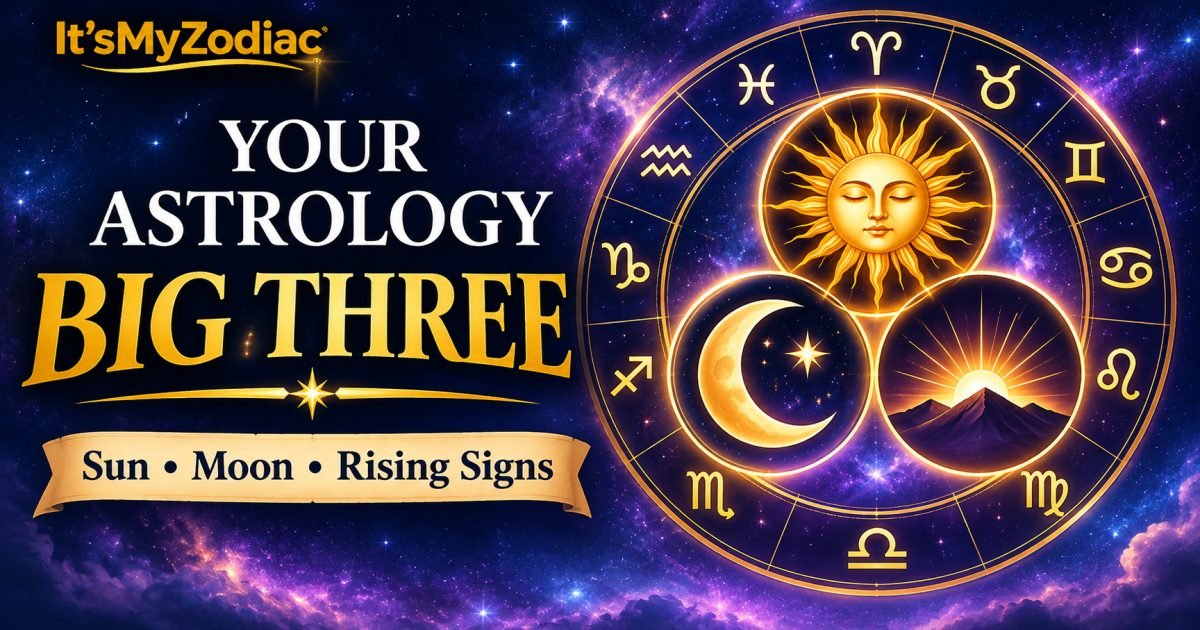
To understand how signs and planetary placements work together, explore our guide to the Sun, Moon, and Rising signs and our explanation of the 12 houses in astrology.
Frequently Asked Questions About Mercury Retrograde
What does Mercury retrograde mean in simple terms?
Mercury retrograde is a period when Mercury appears to move backward through the zodiac from Earth's perspective. In Western astrology, it is traditionally associated with reviewing communication, plans, travel arrangements, and unfinished matters.
How often does Mercury go retrograde?
Mercury generally goes retrograde three or four times each year. Each period lasts approximately three weeks, although the surrounding astrological shadow phases extend the overall cycle.
Does Mercury actually move backward?
No. Mercury does not reverse its orbit around the Sun. Retrograde motion is an apparent change in direction caused by the relative orbital movements of Earth and Mercury.
Does Mercury retrograde really cause communication and technology problems?
There is no scientific evidence that Mercury's apparent backward motion causes communication problems, technology failures, or travel disruptions. These associations come from traditional astrological interpretations.
Can you travel during Mercury retrograde?
Yes. There is no scientific reason to avoid travel during Mercury retrograde. If you follow astrological traditions, you may choose to double-check reservations, transportation details, and schedules as a practical precaution.
Can you start a new job or business during Mercury retrograde?
Yes. Traditional astrology sometimes recommends reviewing plans carefully before making major commitments during this period, but Mercury retrograde is not a proven reason to delay a worthwhile career opportunity or business decision.
What is the difference between Mercury retrograde and its shadow period?
The retrograde period is when Mercury appears to move backward. The shadow periods are the portions of its apparent zodiac journey immediately before and after that phase, when Mercury passes through the same degrees involved in the retrograde cycle.
Final Thoughts
Mercury retrograde has earned a reputation for confusing conversations, unexpected changes, and everyday frustrations. But its traditional meaning in Western astrology is more nuanced than the idea that everything is destined to go wrong.
It is commonly interpreted as a period for reviewing plans, improving communication, revisiting unfinished matters, and paying attention to details that might otherwise be overlooked.
You do not need to fear Mercury retrograde or put important parts of your life on hold. Understand the symbolism, make thoughtful decisions, and continue moving forward with practical preparation.
Ultimately, astrology can offer a framework for reflection, but it should not replace common sense, personal judgment, or reliable information when making important decisions.